
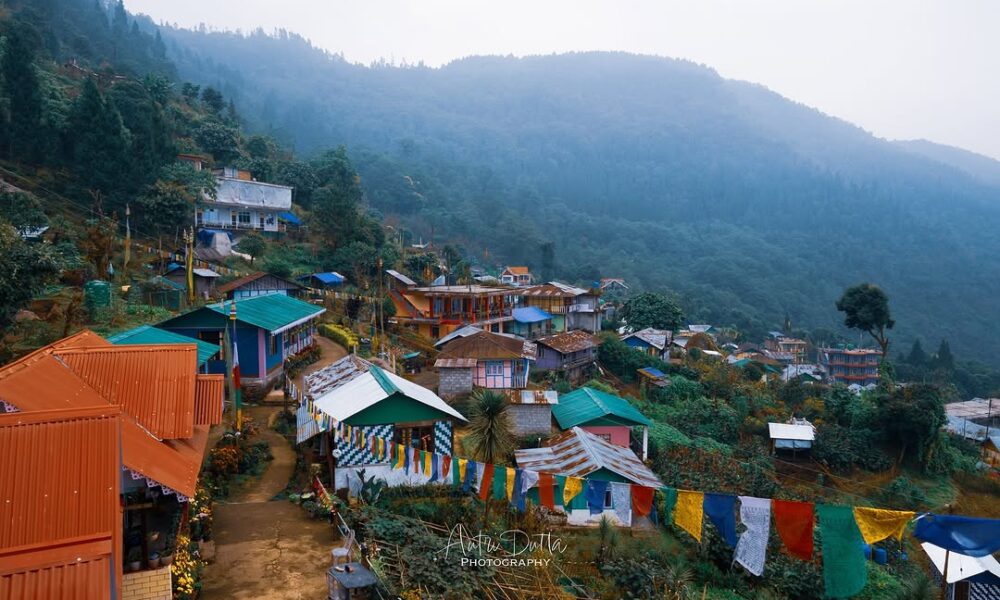
Introduction
The Himalayas wear different crowns each season, and Icche Gaon transforms dramatically throughout the year. Whether you’re chasing rhododendron blooms or crisp winter skies, here’s your month-by-month guide to experiencing StayNiketan at its magical best.
Spring (March-May): The Floral Carnival
-
Why Visit:
-
The hills explode with red Rhododendron arboreum (state flower of West Bengal)
-
Ideal temperatures (12-22°C) for the 2-hour Blooms Trail we’ve mapped
-
-
Unique Experiences:
-
Honey Harvesting: Join local gurung tribes collecting wild Himalayan honey (April only)
-
Photography Tip: Capture dew-laden spider webs at dawn in our kitchen garden
-
Monsoon (June-September): Emerald Mystique
-
Why Visit:
-
70+ waterfalls appear around Icche Gaon (ask us about the secret “Seven Sisters Falls”)
-
Mist creates an ethereal “floating village” effect
-
-
StayNiketan Specials:
-
Monsoon Menu: Bhutwa (black pork) stew with stinging nettle (sisnu)
-
Indoor Activities: Traditional Dhaka weaving workshops with village artisans
-
Autumn (October-November): The Grand Reveal
-
Why Visit:
-
Post-monsoon clarity offers 20+ consecutive days of unobstructed Kanchenjunga views
-
Harvest season means fresh kodo millet pancakes for breakfast
-
-
Don’t Miss:
-
Tihar Festival: Help decorate the homestay with rangoli and oil lamps (November)
-
Winter (December-February): Frosted Fairytale
-
Why Visit:
-
Morning frost transforms the landscape into a crystal wonderland
-
Birdwatching Bonanza: Migratory species like the Black-necked Crane arrive
-
-
Cozy Up With:
-
Our “Himalayan Hot Cocoa” – jaggery, local cocoa, and a pinch of timur pepper
-
Pro Tip: For photographers, we’ve created a seasonal light map showing when the sun hits Kanchenjunga from your balcony each month.
Guest Story:
“We visited in July thinking monsoon meant disappointment. Instead, we witnessed waterfalls no guidebook mentions – and had them all to ourselves!”
– The Dutta Family, Mumbai